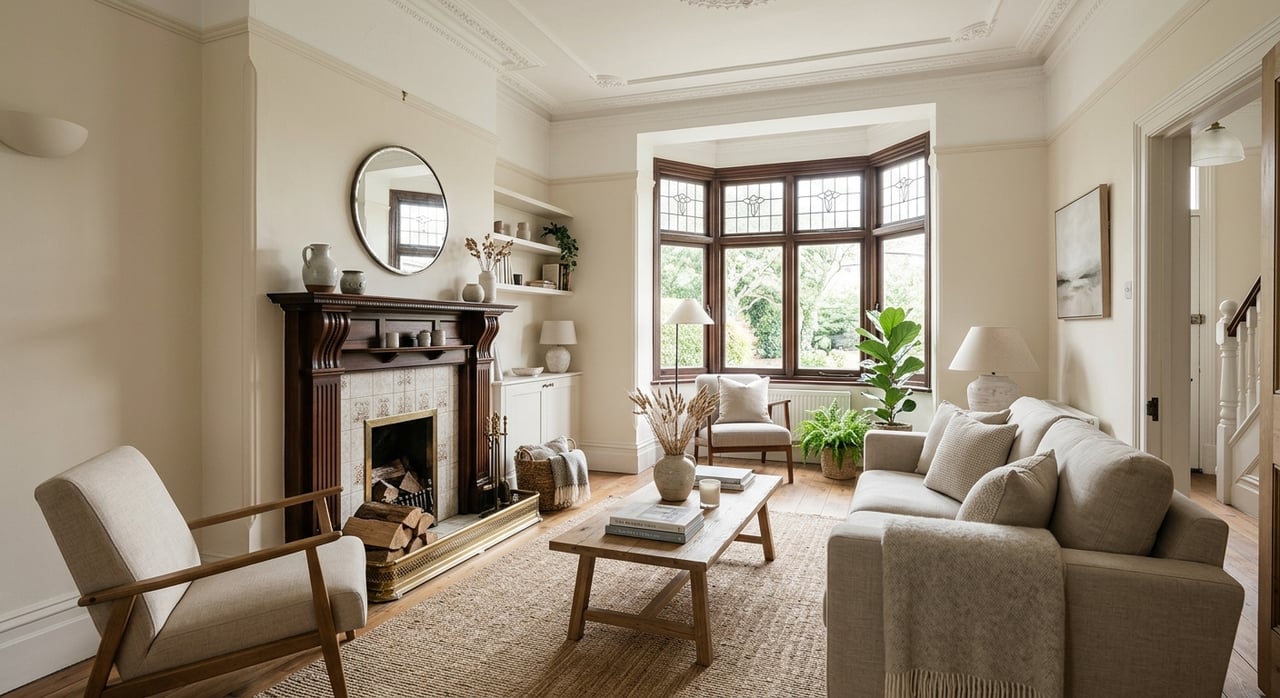
If you are selling a character home in Victoria, you are not just listing square footage. You are presenting craftsmanship, history, and a lifestyle that buyers often notice within the first few minutes. In a market where buyers have more choice and more time to compare homes, thoughtful staging can help your property feel both authentic and ready for today’s expectations. Let’s look at how to stage a character home in a way that protects its charm and improves buyer confidence.
Why staging matters in Victoria now
The current Victoria market gives buyers room to be selective. In March 2026, the Victoria Real Estate Board reported 579 sales and 3,261 active listings, describing conditions as having good supply, reasonable demand, and fewer high-pressure transactions, with sales and listings sitting near a balanced range according to VREB’s market summary.
In practical terms, that means presentation matters. When buyers are not rushing, they tend to compare homes more carefully, notice condition more quickly, and respond more strongly to listings that feel clear, well cared for, and easy to understand.
That is especially true for character homes. VREB also notes that Greater Victoria is made up of many micro-markets, so a character property in one area may be received differently than a similar home elsewhere. A smart staging plan should reflect your specific home, street, and buyer profile rather than rely on a generic checklist.
Start by highlighting original character
Victoria has many homes with architectural and historical significance, and the Victoria Heritage Foundation points to neighborhoods such as James Bay, Fairfield, Fernwood, North Park, Oaklands, Gonzales, Burnside, Hillside-Quadra, and Vic West. In places like these, buyers are often drawn to details that newer homes simply do not offer.
Depending on the property, those details may include prominent porches, wide eaves, dormers, bay windows, columns, brackets, shingle cladding, exposed rafter tails, and leaded or multi-pane windows. VHF materials on local housing styles also reference Edwardian Foursquare, Queen Anne, Craftsman Bungalow, British Arts & Crafts, and other forms that still shape Victoria’s streetscape today, as outlined in its James Bay architectural guide.
Your goal in staging is not to hide age. It is to help buyers see the home’s best original features quickly and clearly. If the architecture is the star, the staging should support it, not compete with it.
Reduce visual noise first
The most effective staging improvements are often the simplest. According to the National Association of Realtors 2025 staging snapshot, the seller actions agents recommend most often are decluttering, whole-home cleaning, and curb appeal.
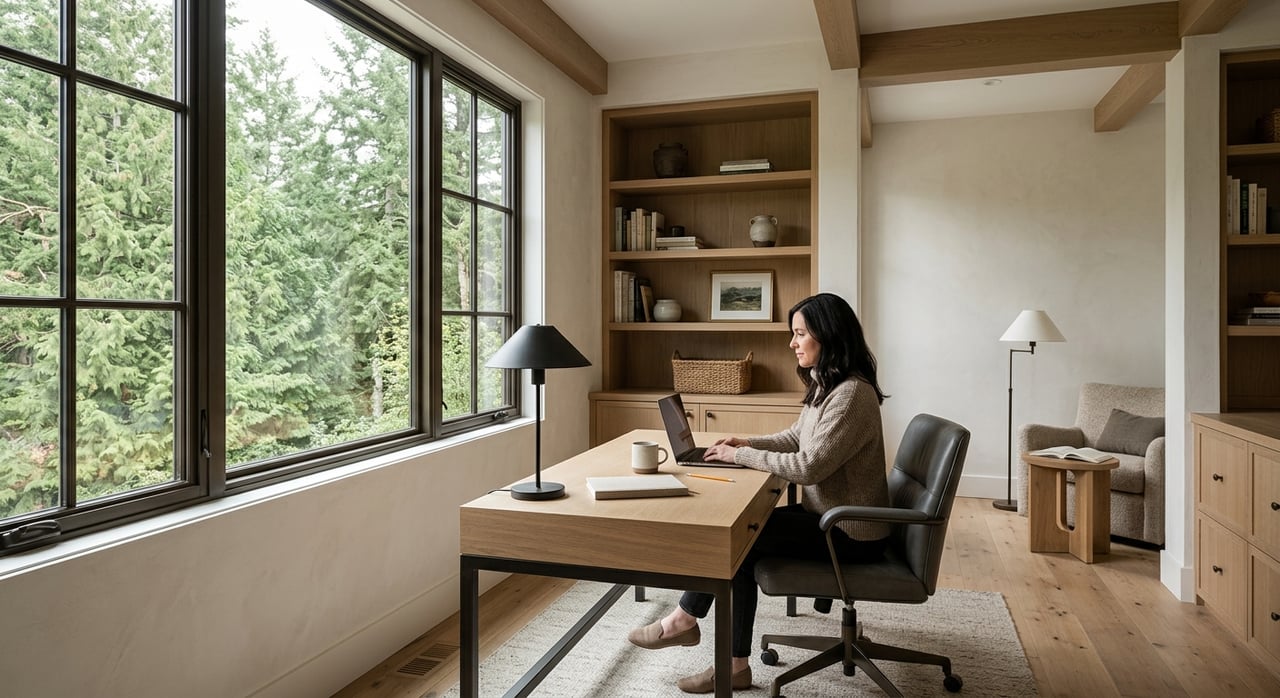
That advice fits character homes particularly well. Buyers do not need every room styled to perfection, but they do need enough visual clarity to notice ceiling height, trimwork, built-ins, natural light, and room flow. Too much furniture, heavy accessories, or highly personal decor can make those strengths harder to read.
Start with these basics:
- Remove excess furniture that blocks sight lines
- Clear tabletops, mantels, and window ledges
- Pack away highly personal collections and busy artwork
- Edit rugs and decor that distract from wood floors or original millwork
- Organize storage areas so they feel usable, not cramped
This does not mean making the home feel sterile. It means creating calm, visual breathing room so buyers can focus on the architecture.
Make the home feel clean and cared for
Character buyers often appreciate history, but they still want signs of good upkeep. A home can feel charming and still signal deferred maintenance if presentation is not handled carefully.
A deep clean is one of the highest-value steps you can take. Pay close attention to original windows, trim, baseboards, radiators, light fixtures, tile, and woodwork. These details attract attention in an older home, so any dust, grime, or buildup will stand out.
Small repairs also matter. Sticky doors, chipped paint, loose hardware, cracked caulking, and worn screens can quietly erode confidence. In a balanced market, buyers are often comparing not just beauty, but the likely effort required after possession.
Use staging to support scale and function
One challenge with older homes is that room use may not feel as obvious to modern buyers. Formal dining rooms, smaller bedrooms, upper landings, and enclosed porches can be appealing, but only if buyers understand how they might live in them.
This is where light staging helps. A simple furniture plan can define purpose without overwhelming the room. For example, a smaller secondary bedroom might be shown as a guest room or office, while a porch or sunroom might be styled to highlight flexibility and comfort.
Keep the look tailored and restrained:
- Choose furniture that fits the scale of the room
- Leave enough open space to show circulation
- Use neutral textiles and limited accent pieces
- Let windows, trim, and built-ins remain visible
- Avoid trendy styling that feels disconnected from the home
The point is not to modernize away the character. The point is to show that character and livability can exist together.
Focus on curb appeal and first impressions
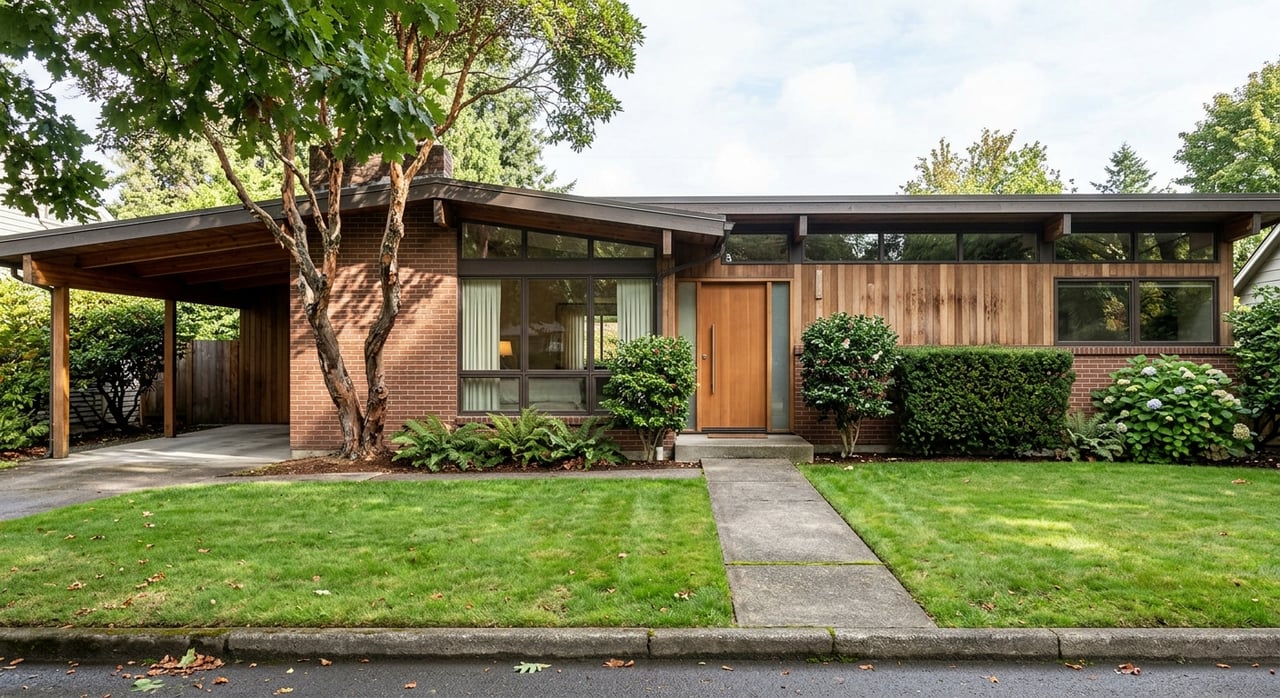
Buyers often form their first strong opinion before they step inside. For a Victoria character home, the exterior can be one of the property’s biggest advantages, especially if the porch, roofline, garden setting, or front entry has architectural presence.
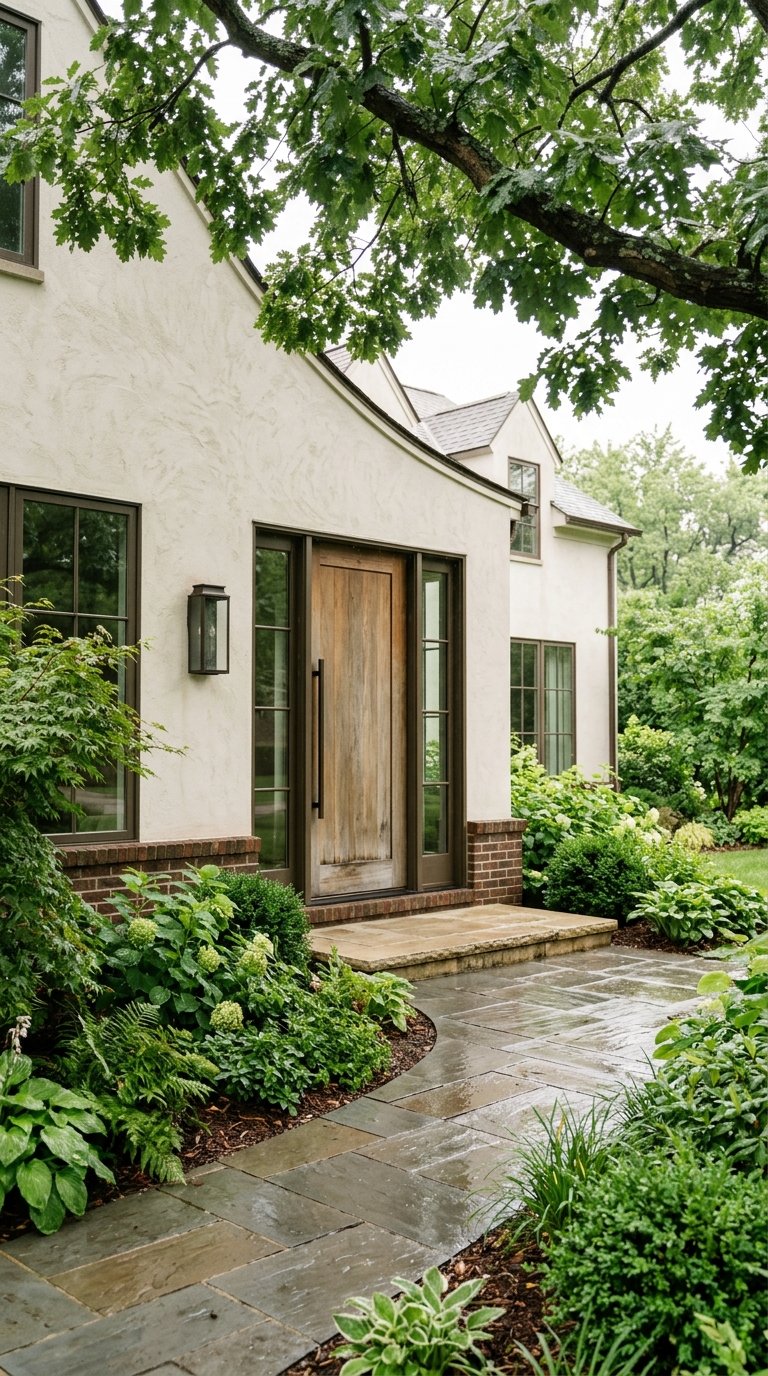
That is one reason curb appeal ranks so highly in the NAR staging data. Clean walkways, tidy landscaping, fresh seasonal planters, and a well-presented front door can help buyers feel welcomed right away.
Look closely at the approach to the home:
- Sweep porches and paths
- Clean exterior glass and visible light fixtures
- Trim back landscaping that hides architectural features
- Make sure house numbers and hardware are in good condition
- Use outdoor furniture sparingly so porches feel open and inviting
If your home has a distinctive porch, columns, or window pattern, make sure buyers can actually see it from the street and entry path.
Be careful with heritage-related changes
Before making exterior updates, it is important to understand what type of heritage status, if any, applies to your property. The City of Victoria’s heritage conservation guidance explains that a heritage-designated property can be bought or sold without special approval, and that normal maintenance and repairs are generally allowed if there are no visual changes to appearance or materials.
However, if work affects protected portions of a designated building, Council approval is required. The City also notes that a property listed on the Heritage Register is not restricted by listing alone, but if it is designated or located within a Heritage Conservation Area, certain changes may require approval, including a Heritage Alteration Permit in some cases.
For most sellers, the safest path before listing is low-risk, reversible work such as:
- Deep cleaning
- Decluttering
- Minor non-invasive repairs
- Garden and curb appeal improvements
- Touch-ups that do not alter protected exterior features
If you are unsure, check with the City before changing materials, windows, trim, or other visible elements. National conservation guidance from Parks Canada’s Standards and Guidelines also supports repair over replacement where possible, especially for historic wood windows and doors.
Balance authenticity with move-in readiness
Today’s buyer is often responding to two things at once. They want the warmth and individuality of a character home, but they also want reassurance that the property feels manageable.
That is why the best staging approach is usually not dramatic. It is measured. You preserve the woodwork, windows, built-ins, and architectural lines that make the home special, while removing friction points that make buyers wonder how much work lies ahead.
Survey findings from the NAR 2025 Profile of Home Staging suggest staging can influence perceived value and time on market, although those results are directional rather than guaranteed. More importantly, the same research found that 83% of buyers’ agents said staging makes it easier for buyers to visualize a property as a future home.
For a Victoria character listing, that may be the real advantage. You are helping buyers notice the home’s strengths without asking them to imagine past clutter, deferred care, or avoidable distractions.
Tailor the strategy to the micro-market
Not every character home buyer in Greater Victoria is looking for the same thing. A house in James Bay may attract a different buyer than a similar property in Oaklands, Fairfield, or Gonzales. Price point, location, lot size, condition, and architectural style all shape what buyers expect.
That is why staging should connect to the likely audience for your home. In some cases, the right strategy is understated and heritage-aware. In others, it may lean more toward bright, edited, and lifestyle-driven presentation. The key is to make decisions that fit both the property and the market around it.
When character homes are prepared with discipline, they often feel more valuable because buyers can quickly understand what makes them special. In a market with healthy supply and informed buyers, that clarity matters.
If you are preparing to sell a character home in Victoria, a measured plan can make all the difference. The right advice can help you preserve what buyers love, avoid unnecessary work, and present the home with confidence. To discuss a tailored strategy for your property and micro-market, connect with FarupScott Group.
FAQs
What should you preserve when staging a Victoria character home?
- Focus on character-defining features such as porches, original windows, trim, built-ins, woodwork, bay windows, columns, and other architectural details that help the home stand out.
What should you remove before listing a character home in Victoria?
- Remove visual clutter, oversized furniture, highly personal decor, and non-essential styling that competes with the architecture or makes rooms feel smaller.
What staging updates are usually safest for a heritage home in Victoria?
- Low-risk steps like cleaning, decluttering, minor repairs, and curb appeal improvements are usually the safest starting point before listing.
What should you check before changing the exterior of a heritage property in Victoria?
- Check whether the property is heritage designated, listed on the Heritage Register, or located in a Heritage Conservation Area, since some exterior work may require City approval.
Does staging really help buyers respond to a character home?
- Yes. NAR’s 2025 staging research found that 83% of buyers’ agents said staging makes it easier for buyers to visualize a property as a future home.
Why does staging matter more in Victoria’s current market?
- With balanced conditions, good supply, and fewer high-pressure transactions reported by VREB, buyers have more time to compare homes, which makes presentation and buyer confidence more important.